Machu Picchu
Inca stonework in the clouds. Machu Picchu was built in the 1400s high in the Andes. Its mortar-free stonework, terraces, drainage and how to visit responsibly.
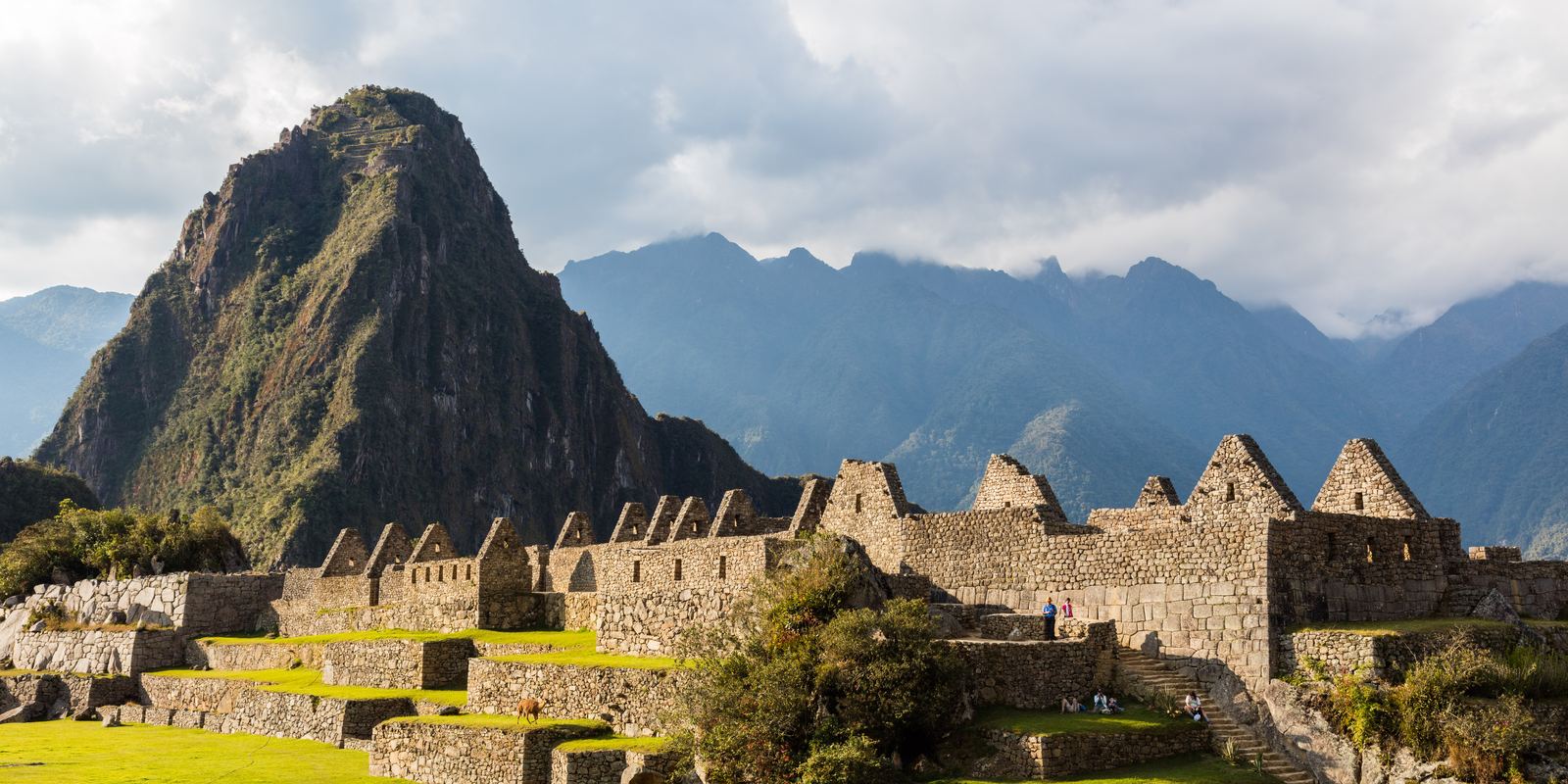
Machu Picchu: Diego Delso, CC BY-SA 4.0
A royal estate
Machu Picchu sits on a ridge above the Urubamba River in Peru, about 2,430 metres above sea level. It was built around the mid-1400s as an estate for the Inca ruler Pachacuti. It was used for less than a century and was never found by Spanish colonists, which helped preserve it.
Stone without mortar
Inca masons shaped granite blocks so precisely that many fit together without mortar. In important buildings the joints are so tight a knife blade cannot slip between them. This technique, combined with slightly inward-leaning walls and trapezoid doorways, helps the buildings resist the earthquakes common in the Andes.
Terraces and drainage
Hundreds of agricultural terraces stabilise the steep slopes, create flat growing areas and control erosion. Engineers estimate that much of the site's construction lies underground, in foundations and layers of crushed rock that drain the heavy rain. A spring-fed water channel supplied a series of fountains across the site.
Rediscovery and protection
Local farmers knew the site, but it gained international attention after Hiram Bingham's 1911 visit. It became a UNESCO World Heritage Site in 1983. To protect it, Peru limits daily visitor numbers and sets timed entry circuits.
Engineering lessons
Inca engineers also built a road network that connected Machu Picchu to Cusco and the wider Inca world, including the famous trail that hikers walk today. Water management was central: channels, fountains and drainage carried rain away from buildings. The site shows how mountain cultures turned difficult terrain into productive land through terraces, which increased farming space and created microclimates for different crops. Read our page on Inca roads and quipu for more.
Visiting
Book tickets and train or trail permits well ahead. Altitude can cause headaches, so spend a day or two in Cusco or the Urubamba valley first. Stay on marked paths and follow the guides' rules.
- Machu Picchu: Diego Delso, CC BY-SA 4.0
Text written by Ancient Visionary.