Roman Baths and Hypocaust Heating
Spa engineering and underfloor heat. Roman baths combined plumbing, heating and social life. How hypocaust underfloor heating worked, and the famous baths at Bath, England.
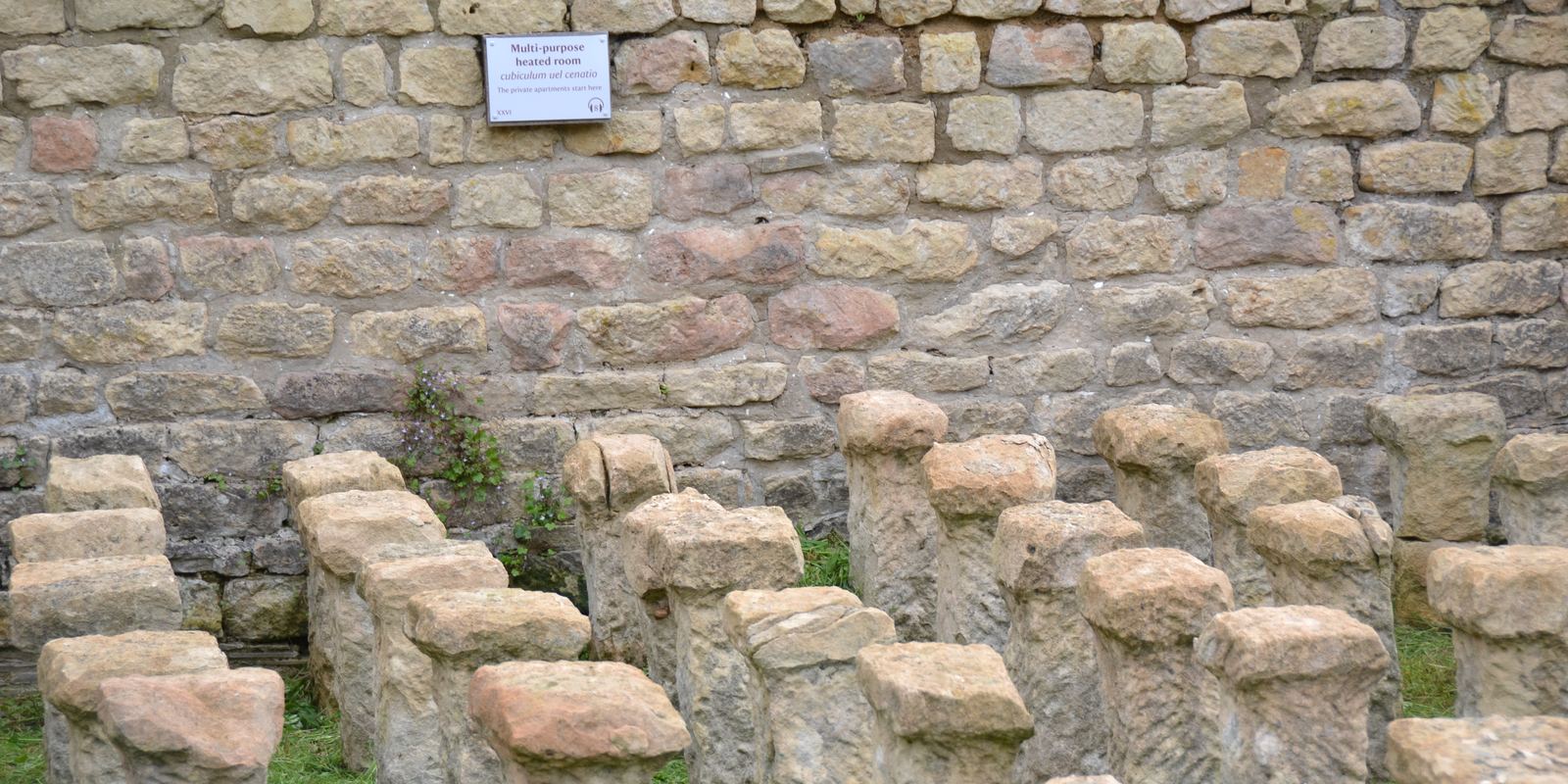
A hypocaust at Chedworth Roman Villa: Oldchien.rb, CC BY-SA 4.0
Bathing as daily life
For Romans, public baths were places to wash, exercise, meet friends and relax. Even small towns had baths, and large cities built huge complexes. Entrance was often cheap, so people of many backgrounds used them.
Hot, warm and cold
A typical visit moved through rooms of different temperatures: the frigidarium for cold plunges, the tepidarium for warm rest and the caldarium for hot baths and steam. Some baths also had exercise yards, libraries and snack sellers.
The hypocaust
Romans heated rooms with the hypocaust, meaning heat from below. A furnace fed hot air into a space under the floor, which was raised on stacks of tiles called pilae. Hot air also rose through hollow tiles inside walls. The floors could become so hot that bathers wore wooden sandals. This was effectively central heating, 2,000 years ago.
Bath, England
In the English city of Bath, the Romans built a bathing complex around a natural hot spring whose water rises at about 46 degrees Celsius. The Great Bath, still lined with Roman lead, is now the centre of a popular museum. The whole city is a UNESCO World Heritage Site.
Engineering lessons
Running a large bath required a constant supply of fuel and water and a team of workers to stoke furnaces and clean pools. Romans managed waste water by channelling it into drains and sewers, sometimes flushing latrines nearby. Archaeologists find hair pins, combs, coins and strigils, curved metal scrapers used to clean the skin with oil, giving a lively picture of everyday bathing habits.
Engineering legacy
Roman bath design combined aqueducts, drainage, waterproof concrete and heating. Ideas from Roman baths influenced later Turkish hammams and modern spas. Read our pages on Roman concrete and aqueducts to see the full system.
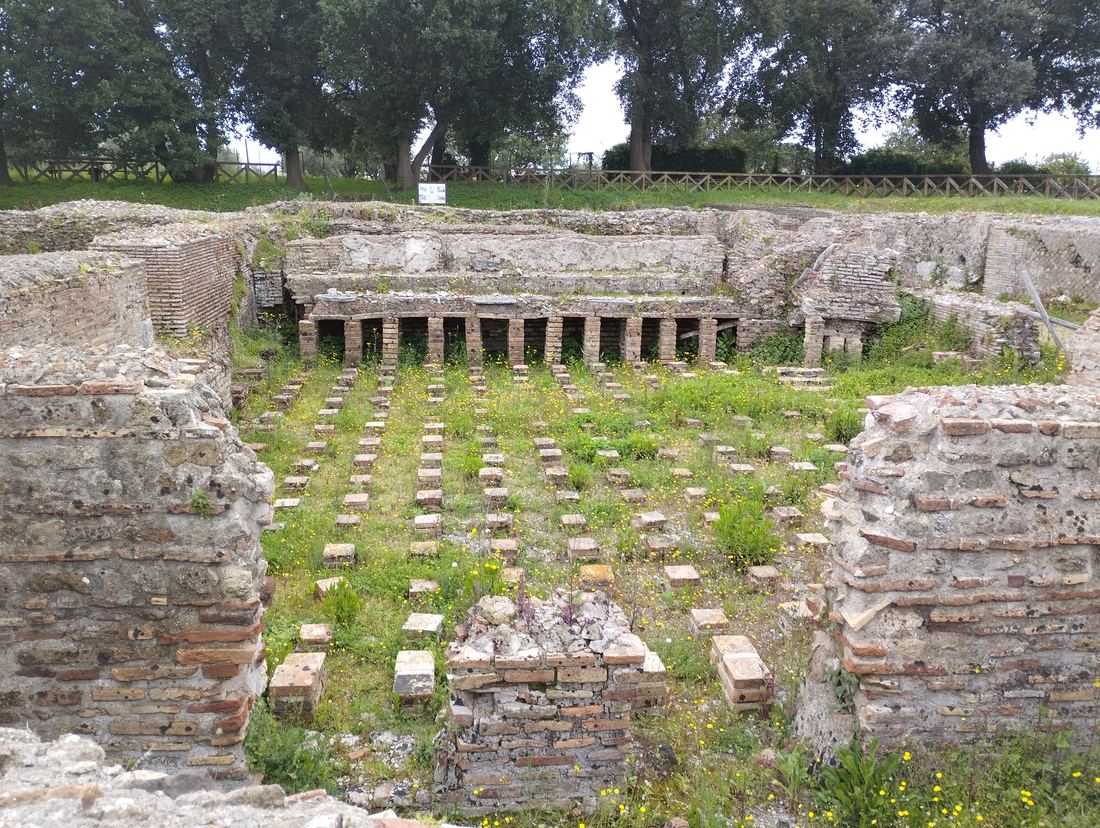
- A hypocaust at Chedworth Roman Villa: Oldchien.rb, CC BY-SA 4.0
- Hypocaust at Minturnae: Awinkler3, CC0
Text written by Ancient Visionary.